Inherited Coins: Start with What You Have
You do not need to know anything about coins to begin. This guide covers the first week, what to leave alone, and how to find out what you have.
Monday to Friday, 9am to 5pm, by appointment
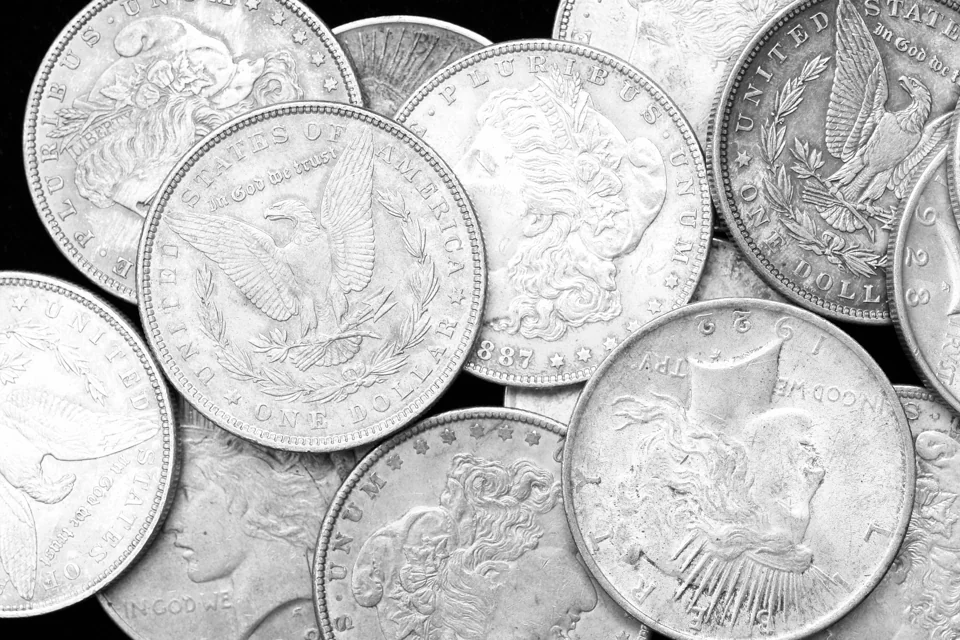
- Gold and silver weighed where you can see it
- Bring a photo ID
- No obligation to sell
- By appointment, with time set aside for you
Before you start: what we do, and what we do not
Our job is to look at coins and make an offer to buy them. That is called a purchase evaluation.
A purchase evaluation is not a formal written appraisal for insurance, probate or tax purposes.
If an estate, an insurer or a tax preparer needs a formal written appraisal, that is a job for a qualified appraiser, not for us. Our page on purchase evaluations and formal appraisals explains the difference.
What you can sell from an inheritance
Coins are often only part of what a relative leaves behind. Everything on this list can come to the same appointment, and nothing has to be sold.
If the coins fill albums or boxes, our page on selling a coin collection explains how a larger group is handled. A few loose coins, or older coins set aside over the years, fit better on selling coins, which goes type by type.
- Albums, folders and boxes of U.S. coins
- Silver dollars, and dimes, quarters or halves dated 1964 or before
- Gold coins, from the U.S. or anywhere else
- Proof and mint sets in their original Mint packaging
- Coins from trips abroad and foreign sets
- Bars, rounds and gold jewelry kept alongside the coins
Your first week with the coins
Nothing needs to be decided quickly. A few simple habits now keep every option open for later.
Do
- Gather the paperwork. Receipts, invoices, certificates and any notebook the collector kept.
- Store it safely. Keep everything somewhere dry and secure, in the containers it came in.
- Take photos. Photograph each box, album and holder as you found it.
- Check with the estate. If an estate is still open, ask the executor or the estate's attorney before anything is sold.
Do not
- Clean anything. No polish, no dip, no rubbing with a cloth or a pencil eraser.
- Split up sets. A full date run or a Mint set can be worth more whole than scattered among relatives.
- Open holders. Leave coins in their slabs, flips, rolls and Mint packaging.
- Discard old packaging. Old envelopes and boxes can carry dates, prices and notes that matter.
Not sure where to begin?
Please call and describe what you found, even roughly. We will arrange a time to go through it with you, at our Lowell shop or at your home.
Collector coin or common coin?
A quick look at home will not settle it, but a few signs point one way or the other.
Signs worth a closer look
-
A labeled plastic holder
A sealed holder from a grading service means someone once thought the coin deserved grading. Leave it sealed.
-
Anything gold
Every gold coin is worth its metal, and some older U.S. gold is worth more again to collectors.
-
U.S. silver from 1964 or before
Dimes, quarters and half dollars from those years are mostly silver, however worn they look.
-
Sets kept in order
An album filled date by date, or Mint sets still in their envelopes, shows a collector who was working toward something.
Signs of a common coin
- Modern coins of the kind still found in circulation
- Heavy wear on a date that was made by the millions
- Private-mint medals and "limited edition" pieces sold by mail order, which rarely carry value beyond their metal
Old does not mean scarce
What matters is how many were struck, how many survive, and the shape this one is in.
We explain which of those applies to each piece, so you know why a coin is or is not special.
How we evaluate inherited coins
-
Identify the item and its marks
We go through the collection with you piece by piece, keeping albums, sets and rolls together.
-
Gold and silver weighed where you can see it
Gold and silver are weighed where you can see it.
-
Judge collector value against metal value
We sort collector pieces from metal pieces, so each part of the collection is valued the right way.
-
Explain the offer, then you decide
We explain how we arrived at the offer. You can accept it, decline it, or sell only part of what you have.
You can bring part of it first
There is no need to show us every box at the first appointment. Start with a few albums or a sample of what is there, see how it goes, and decide what comes next.
We can also meet you at home or at a secure location such as your bank, so nothing has to travel to Lowell.
- Have a photo ID and whatever you choose to start with
- Include any paperwork that goes with those coins
- You are welcome to bring someone with you
- Nothing has to be sold at that appointment
When there are several heirs
It helps to agree beforehand who will bring the coins and who decides whether to sell.
Bringing another heir along means you both hear the same explanation of each piece.
Your next step
When you feel ready, send an evaluation request or call us. We return form requests by phone during business hours.
Visits are by appointment only, on weekdays from 9am to 5pm.
Where the shop is
Our shop is in Lowell, in Benton County.
Heirs driving from Fayetteville have about 25 minutes on the road, and from Bella Vista about 28 minutes. The service area page lists the other towns we serve.
Questions from heirs
I do not know what these coins are. Is that a concern?
Not at all. You do not need to identify anything before you call. We look at each piece with you and explain what it is in plain terms.
Should we divide the coins among the family first?
It is usually better to wait. Splitting sets or albums can lower what they are worth together, and deciding who keeps what is easier once you know what is there.
May I start with just a few coins?
Yes. You are welcome to start with a sample and show us the rest at a later appointment.
Can your evaluation be used for estate or tax paperwork?
It is not meant for that. A purchase evaluation is not a formal written appraisal for insurance, probate or tax purposes. If an estate is involved, ask its attorney or CPA whether a formal appraisal is needed.
What should I have ready for a first appointment?
A photo ID, the coins you have chosen to start with, and any receipts, notes or certificates that belong with them.
Visit us in Lowell
- Address
- 107 S Lincoln St A, Lowell, AR 72745
- Hours
- Monday to Friday, 9am to 5pm, by appointment
- Where we meet
- At our Lowell shop, your home or a secure location such as your bank
- Bring
- A photo ID and the items you want us to look at
A purchase evaluation is not a formal written appraisal for insurance, probate or tax purposes.
Tell us about your items
If you would rather speak with us, please call (479) 250-1954. Or leave your name and number here, and we will call you during business hours to arrange a time.